The body’s own stem cell therapy utilizes cells from the patient’s own body fat or blood for regenerative medicine. The procedure helps to renew damaged tissue and reduce chronic inflammation. As a biological longevity therapy, this method activates the body’s natural repair potential to regenerate aged cells and slow down biological aging processes.
Stem Cells: Engines of Regeneration
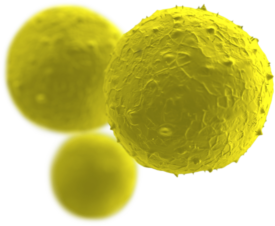 The search for ways to not only slow down the aging of the body but to turn back the biological clock slightly defines modern longevity research. A significant contribution to this can be made by the body’s own stem cell therapy.
While conventional anti-aging methods often only mask symptoms on the surface, this innovative procedure targets the direct biological foundation. It utilizes the repair potential of the body’s own cells to renew aged tissue structures from the inside out and to strengthen bodily functions.
Stem cells are responsible for regeneration and the repair of damage within the body. Over the course of life, however, the number and activity of these native repair cells continuously decline, resulting in slower tissue healing and body aging. Through the targeted extraction, processing, and return of these cells, this process can be slowed down and partially reversed.
Depending on the therapy goal and individual health status, two primary autologous (the body’s own) cell sources are utilized in modern longevity medicine: stem cells from body fat and stem cells from the patient’s blood.
Stem Cells from Body Fat
In recent years, the body’s own adipose tissue has proven to be one of the richest sources for regenerative medicine. It contains a high density of so-called mesenchymal stem cells (Adipose-Derived Stem Cells, ADSCs).
These cells are characterized by a broad therapeutic spectrum: They possess the ability to stimulate tissue regeneration, differentiate themselves into tissue types such as cartilage, bone, muscle, or connective tissue cells, and modulate immune processes in the body.
The harvesting of adipose stem cells is performed via a minimally invasive, gentle liposuction of a small amount of body fat under local anesthesia. The stem cells contained within the body fat are isolated using a specialized laboratory procedure. Immediately afterward, the stem cells are reintroduced into the body.
As a longevity therapy, the body’s own stem cells are deployed to set rejuvenation processes in motion. They stimulate the formation of new blood vessels, optimize tissue structure, improve skin elasticity, and support the regeneration of worn joints as well as stressed organs.
Stem Cells from Blood
Another source of the body’s own stem cells are the so-called peripheral stem cells found in the blood. The blood contains signaling molecules, growth factors, and precursor cells responsible for daily repair and cell protection throughout the organism. Blood stem cells can be combined with platelet-rich plasma (PRP).
For treatment with blood stem cells, a blood draw is required first. Using specialized methods, the blood is processed to create a mixture of stem cells, other regenerative cells, and growth factors. Administered systemically or locally, the stem cells reduce chronic, silent inflammation (inflammaging), which is considered a primary driver of aging. Furthermore, they optimize cellular communication and improve energy metabolism and microcirculation.
Healing Power of Your Own Body
In treatments with both adipose stem cells and blood stem cells, exclusively your own autologous stem cells are used. Allergic reactions, intolerances, or rejection responses are extremely rare. The entire process—from gentle extraction and isolation to the return of the cells—is performed on an outpatient basis and takes a few hours.
Before every treatment, we conduct a thorough medical history assessment in our clinic. This ensures that your longevity therapy plan and the stem cell therapy are optimally coordinated to achieve your treatment goals.
Frequently Asked Questions About Stem Cell Therapy
How does stem cell therapy work as a longevity treatment?
This procedure utilizes the body’s own (autologous) stem cells to support the regeneration of the organism. These cells are the body’s repair cells, capable of repairing and regenerating various tissues. Within longevity medicine, stem cells are used to renew aged tissue structures, support organ function, and lower chronic inflammation.
Where do the utilized stem cells come from?
The stem cells are harvested directly from your own body, either from your own adipose tissue or blood. In modern regenerative medicine, adipose tissue is considered particularly rich in mesenchymal stem cells. Because this is a treatment using the body’s own cells, allergic reactions or rejections are medically rare.
How do the harvesting and treatment work in practice?
The procedure is performed on an outpatient basis under local anesthesia. First, a small amount of adipose tissue or blood is gently suctioned or drawn. In a specialized laboratory process, the stem cells are isolated, concentrated, and purified. Subsequently, the stem cells are targetedly introduced into the areas to be regenerated or administered systemically.
Can stem cells be combined with other treatments?
Yes, a combination is often highly beneficial for the synergistic effect. In our clinic, stem cell therapies are frequently combined with platelet-rich plasma (PRP) from the patient’s own blood. The growth factors contained in the plasma additionally stimulate the injected stem cells and can accelerate the healing and rejuvenation process in the tissue.
How long do the treatment and subsequent downtime last?
The entire treatment, from extraction and laboratory processing to the return of the cells, usually takes between two and four hours. Since the procedure is minimally invasive and no scalpel is used, patients are usually fully socially presentable and capable of handling daily routines immediately after the procedure or by the following day at the latest.
How often must the stem cell therapy be repeated?
Unlike other treatments, stem cell therapy is usually designed as a single treatment. Depending on the individual biological age and personal therapy goals, a refresher session may be useful.
What are the risks or side effects of the treatment?
Since exclusively the body’s own material is used and the treatment is performed strictly under local anesthesia on an outpatient basis, the risk of intolerances or side effects is low. Temporary mild swelling, redness, or small bruises may occur at the extraction or injection sites, but these fade on their own within a few days. However, it should be noted that while rejection of one’s own cells is virtually impossible, rare allergic reactions can theoretically occur in response to the specific substances used in the laboratory to isolate and process the cells. A comprehensive medical consultation is standard before any medical treatment, during which you will also be fully informed about preparation measures and aftercare requirements.